What Is Peptide Purity And Why Does It Matter In Research-grade Peptides? Qing Li Peptide

Just how to choose the best peptide?
Before diving into peptide treatments, it''s crucial to clearly define your health and wellness objectives. Are you intending to lose weight, boost muscle healing, revitalize your skin, or simply increase your general power levels? By identifying your demands, you can concentrate on peptides that most effectively target those locations.
Step 3: Verify Identification By Mass Spectrometry
Reliable vendors make use of independent, third-party laboratories to produce COAs. Third-party screening gets rid of dispute of rate of interest and offers the scientist unbiased, empirical information-- not marketing insurance claims. For the majority of laboratory applications, the acetate salt type is generally used as it prevents the recurring TFA (trifluoroacetic acid) that can disrupt some cell culture systems. If your application is delicate to map TFA, verify the salt kind with your vendor before purchasing. Various vendors might use retatrutide in various salt forms (free acid, acetate salt, TFA salt). These have a little different molecular weights and solubility residential or commercial properties.Where Are Purity Outcomes Commonly Reported?
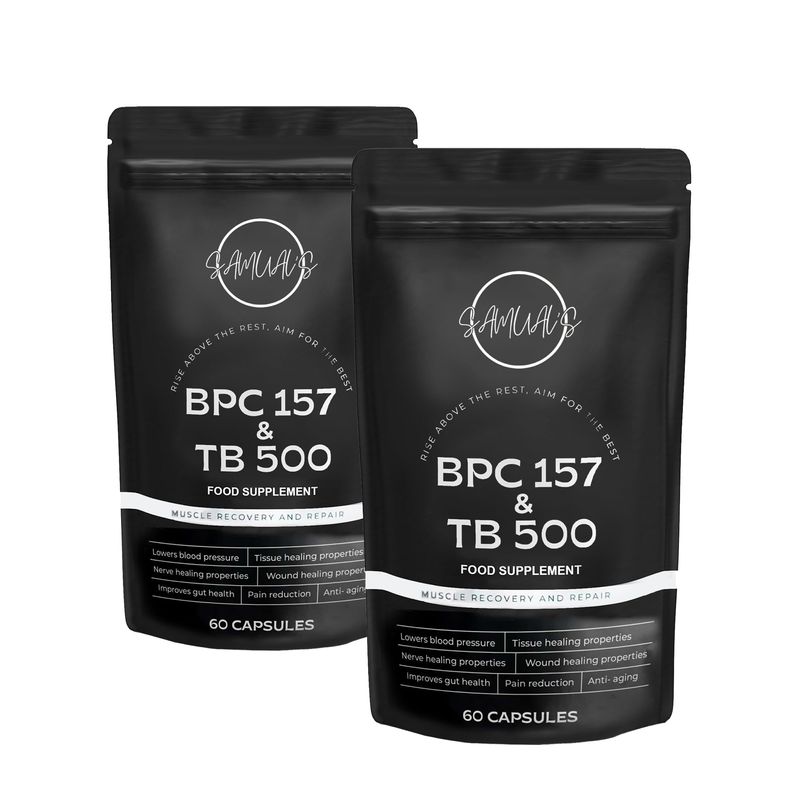
Peptide purity testing data are required in preclinical research studies and should be consisted of in investigational new medicine (IND) applications and later on new drug applications (NDAs). Along with HPLC and MS, specialized labs might utilize orthogonal methods for included accuracy. For instance, capillary electrophoresis can be used to separate extremely hydrophilic peptides or to confirm outcomes, and MALDI-TOF mass spectrometry can help in mapping larger or modified peptides. Many peptide manufacturers or suppliers will certainly provide a COA (Certificate of Analysis), for instance our bpc 157 tb 500 mix, that includes the purity percentage by HPLC and identity confirmation by MS for each and every batch. Top-tier labs commonly report peptide purity well above 95%, regularly ≥ 98-99%, by utilizing state-of-the-art HPLC and MS analyses.- Researchers commonly review mass spectrometry results alongside HPLC information to develop a more complete understanding of product high quality.
- For us, pureness isn't just a percent-- it's a guarantee of honesty, consistency, and regard for the scientific research being done.
- If the impurity portion contains abbreviated sequences with partial binding fondness, they can take on the labeled ligand and produce artifactually reduced evident binding affinities.
- These tests verify that peptides from Peptides Lab UK consist of no impurities, degradation byproducts, or unwanted fillers-- simply confirmed, high-purity research study product.
- Peptide pureness testing data are mandatory in preclinical research studies and need to be included in investigational brand-new drug (IND) applications and later brand-new drug applications (NDAs).
- Peptide solutions are for specialist commercial and research make use of only, not food, sporting activity or customer self-use.